Thought Leadership & Strategic Insights
Explore emerging sustainability trends, evidence-led insights, and practical frameworks that help leaders translate risk and compliance into business value and measurable impact.

Prudential transition plans become credible when they move from ESG disclosure into the credit file, with supervisors testing pricing, covenants, LTV or tenor decisions, and balance sheet steering. We break down how to build a dynamic ICAAP and ILAAP integrated plan with board challenge, model upgrades for cliff effects, and controls for greenwashing and conduct risk.

ESG Divergence and Competitive Positioning in Regulatory Uncertainty
ESG strategy is now defined by divergence, not alignment: some companies retreat under EU simplification, others voluntarily accelerate, and a third group uses regulatory gaps to monetise sustainability investments. We map how to choose your posture while keeping ESG capabilities decision-grade, with stronger data, governance, and stakeholder trust that protects growth and valuation.

ESG at a Crossroads: Regional Realities, Corporate Responses, and the Strategic Outlook for 2025
Global ESG strategy in 2025 is defined by regional divergence: Europe dilutes under Omnibus II but stays the reference point, the US pulls back federally while California pushes disclosure, APAC converges toward ISSB on different timelines, and China advances ESG as industrial strategy. We map a global baseline with regional overlays, tighter governance, and litigation-ready credibility.

Beyond Borders: A Framework for ESG Execution in a Fragmented World
ESG execution in 2025 breaks down when global strategy cannot absorb regional divergence. We set out a Cross-Border Implementation Framework to move from reactive compliance to capability-led growth, by landing ESG in five functions: governance, financial risk, data and tech, supply chain transformation, and stakeholder engagement.

The Sustainability Edge: How Forward Thinking Companies Are Winning in 2025
Leading organizations now view sustainability as a competitive advantage, not just compliance. Those maintaining momentum gain benefits through reduced risks and better market positioning while competitors hesitate.
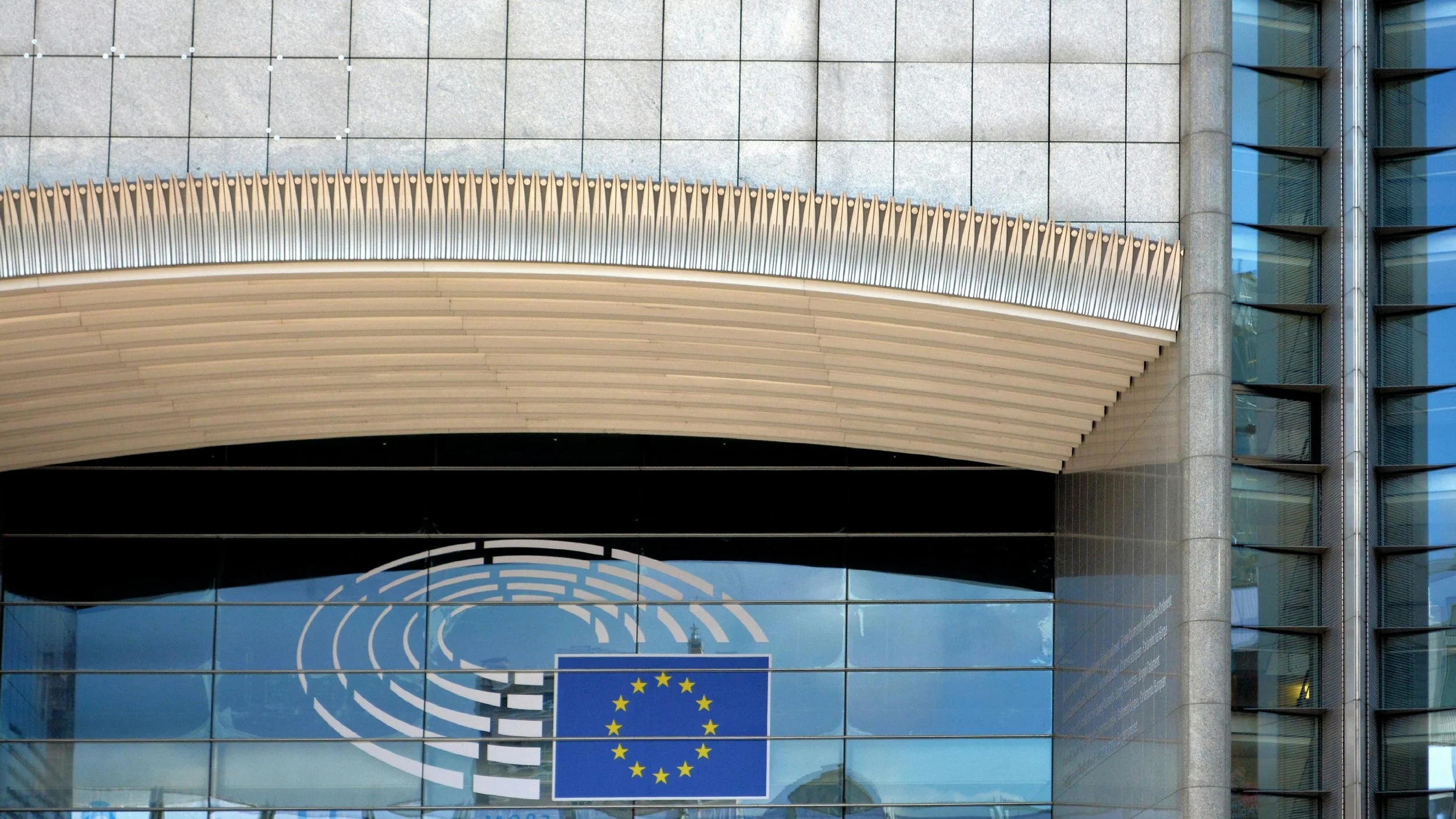
Navigating the Shifting Sustainability Landscape: Building Value Beyond Compliance
EU sustainability rules just changed under the Omnibus simplification package, creating a two-speed landscape where Wave 1 still reports while many others gain time and scope relief. We set out five actions that build value beyond compliance: double materiality, cross-functional governance, leadership upskilling, systematic stakeholder engagement, and adaptable data systems.