Human Rights Due Diligence On-Site: From Worker Voice to Inspection-Ready HRDD
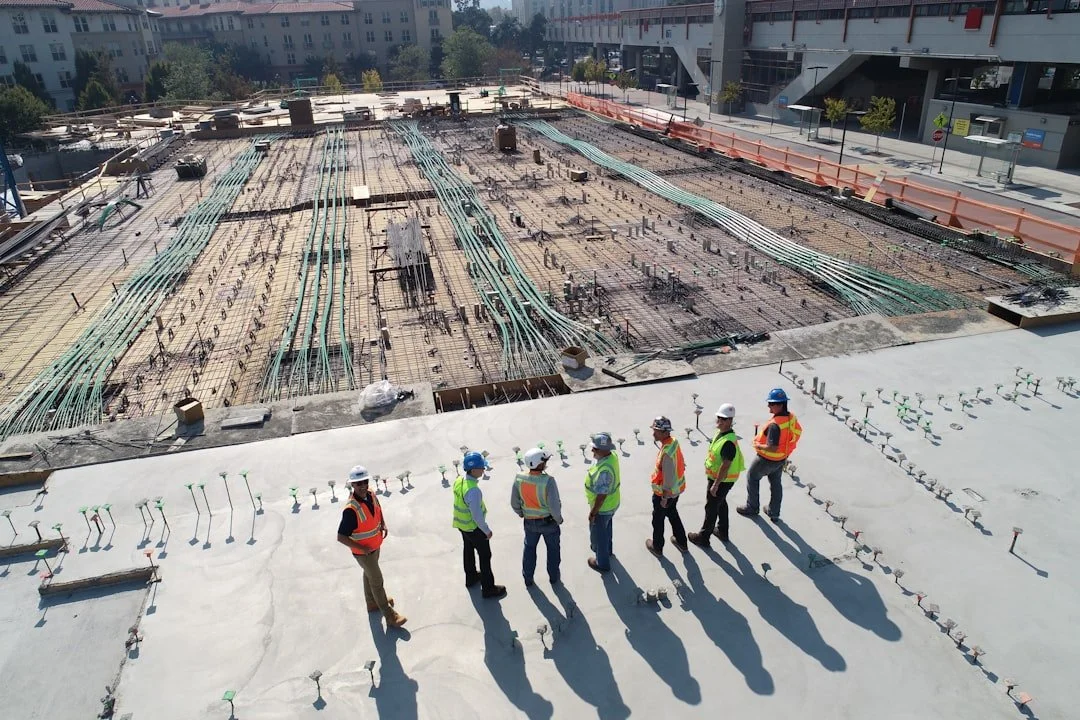
As supply chains expand across countries and business models become more spread out, human rights due diligence (HRDD) is getting harder just when it is most important. Regulations are getting stricter, and more people are paying attention. Simply having a policy is no longer enough. Now, what counts is whether your approach can spot real risks early, prevent harm, and meet compliance, investor, and operational demands.
At Futureproof Solutions, we work on HRDD projects throughout Europe, helping with key sites and complex supply chains. No matter the sector, we keep seeing the same thing: the biggest human rights risks appear in the way work is really carried out.
Why on-site assessment changes everything
Desk reviews matter, but they are not enough. Fieldwork gives you the proof needed to turn due diligence plans into real action:
Direct worker and contractor engagement that reveals lived experience behind KPIs
Management interviews that show how policies translate into practice
Process and documentation testing that identifies control gaps and weak evidence trails
Observation of day-to-day operations where risks often concentrate
This is how HRDD moves from being just a compliance task to becoming a key part of managing risk and building resilience. By taking HRDD on-site, you put into practice the "cause-no-harm" duty set out in the UN Guiding Principles on Business & Human Rights (UNGPs), specifically Pillar II. Making on-site assessment central to your approach shows boards and stakeholders that your process meets international expectations and authoritative norms, not just internal or local standards.
Three takeaways we see again and again
1) Worker voice is essential
Talking directly with workers reveals what working conditions, supervision, and access to help are really like. This approach shows both the good, like clear safety routines and respectful treatment, and the bad, such as too much overtime, informal subcontracting, and poor complaint systems. Including worker views in Human Rights Risk and Impact Assessments (HRRIAs) makes sure that priorities and fixes are shaped by those most affected.
Going further, co-creating action plans with workers—inviting them to help design solutions as well as identify problems—demonstrates meaningful participation and empowerment. When workers are trusted as partners in finding and shaping improvements, the impact is not only more realistic but also lasts longer. This approach reflects emerging best practice in due diligence and shows that worker voice drives change, not just data.
2) Management buy-in is the bridge between policy and practice
Human rights are not put into practice just by having documents. Managers play a crucial role: when they understand the purpose and the process, they can spot risks early and find real solutions. Tying HRDD outcomes to management incentive structures, such as including human rights metrics in performance reviews, objectives, and bonus criteria, helps to ensure that these priorities are not just an add-on but core to how success is measured.
For example, site managers might be evaluated on improvements in worker wellbeing scores, reductions in workplace grievances, or achieving key audit targets. Without management support and clear incentives, HRDD stays stuck in the sustainability team. With their engagement and when accountability is built into their scorecards, due diligence becomes central to how resources are used, suppliers are chosen, projects are planned, and performance is managed.
3) Everyday practices are where risks manifest
Human rights risks often sit in routine moments:
How shifts are assigned and changed
How productivity pressure is managed
How PPE is distributed and enforced
How supervisors handle complaints and conflicts
How recruitment and onboarding are managed in contractor chains
These everyday actions decide if people are treated with dignity and kept safe, or if harm becomes a regular problem. On-site assessments go further than checklists and help find the real reasons behind what happens.
The business case: HRDD is risk management with real-world consequences
Respecting human rights is the right thing to do and also makes good business sense. Making a proactive investment in HRDD may involve allocating budget up front—for example, €2 million spent on prevention, training, and monitoring across key sites—but this is a fraction of the potential €10 million in disruption costs that can result from supply chain interruptions, regulatory fines, or reputational damage if issues are ignored. If you ignore risks, you will face predictable costs:
Operational disruption (work stoppages, supplier failure, project delays)
Regulatory and legal exposure as mandatory due diligence expands
Reputational damage and loss of customer or community trust
Beyond avoiding commercial friction with investors, lenders, and clients who expect evidence, not statements, there is also a clear upside: investors increasingly reward companies that can demonstrate robust HRDD with improved access to lower-cost capital and greater competitiveness. Verified performers are seen as more resilient, making your business more attractive to forward-looking financiers and partners. By proving your approach works under real-world conditions, HRDD becomes a lever for commercial advantage—not just a compliance burden.
When done right, HRDD makes your business more resilient, helps suppliers perform better, and builds trust with stakeholders. More and more, people expect companies to 'know and show' how they find and fix problems.
A practical HRDD uplift
A strong programme is built from internationally aligned foundations, tested on the ground, and managed with the same discipline as any other enterprise risk topic.
1) Embed policy and governance that actually works
Create and put in place human rights policies that follow the UN Guiding Principles on Business & Human Rights (UNGPs), ILO Conventions, and OECD Guidelines. Make sure accountability is built into procurement, operations, HR, legal, and risk teams.
2) Run HRRIAs that prioritise severity
Carry out Human Rights Risk & Impact Assessments (HRRIAs) to find, rank, and reduce risks in your operations and supply chains. The goal is not to make a long list, but to spot the most serious problems that need quick action and better controls. For example, during a recent assessment, forced overtime was scored as a more severe risk than gaps in PPE availability. This meant that immediate resources were focused on overtime issues first, while PPE improvements were scheduled for follow-up. Concrete prioritization like this helps to ensure that energy and investment address the highest-impact risks.
3) Engage stakeholders meaningfully to access reality
Talk with stakeholders—workers, communities, and suppliers—to learn about their real experiences and build trust. This helps uncover hidden problems early and makes fixing them more believable. As one worker told us during a recent assessment, "What matters most is being listened to, not just checked on. When someone asks how we are really doing, it feels like things can actually change." These first-person insights help transform engagement from a tick-box exercise into genuine progress.
4) Build capability where it matters
Train leaders and teams to spot and handle human rights issues. Focus on the people making daily decisions, like site leaders, procurement teams, contract managers, and supervisors. When invested in the right training, companies can see measurable results such as a 30 percent reduction in workplace grievances and faster audit completion times, making the value of capability building clear for executive decision makers.
5) Monitor, report, and be inspection-ready
Track and share progress openly. Use reporting frameworks like GRI and, when needed, IFC Performance Standards to set clear expectations, provide evidence, and disclose information. Aligning your monitoring and reporting approach with emerging EU regulations—such as the Corporate Sustainability Reporting Directive (CSRD) and the Corporate Sustainability Due Diligence Directive (CSDDD)—further strengthens your inspection-ready position. This not only reassures stakeholders that your disclosures are future-proof, but also shows your organization is prepared to meet evolving transparency and due diligence requirements as they are introduced across Europe.
6) Add social impact measurement, not just compliance metrics
Add social impact measurement to check and improve how products, services, and programs perform. For example, after introducing living wage standards at one supplier site, staff turnover fell by 15 percent within six months and absenteeism decreased. Leaders could see that investing in better working conditions not only reduced harm but also led to more stable operations. Real results like these turn measurement from a compliance step into an actionable driver of positive change.
7) Extend due diligence beyond tier-1
Put responsible sourcing and supply chain checks in place, especially beyond your first-tier suppliers, where many risks are found. Problems with labor, hiring, and informal subcontracting in tier-2 and tier-3 suppliers often cause the most serious issues.
How Futureproof Solutions helps
At Futureproof Solutions, we provide a full range of Human Rights & Social Impact services to help organizations keep up with a changing world. Our team offers expertise and practical tools in HRDD strategy, governance, stakeholder engagement, field research, training, reporting, and social impact measurement to support your business at every step.
Whether you are conducting a human rights assessment, creating a social impact program, or preparing for new rules, we help you embed responsible practices into your operations and supply chains. We also help you become more resilient and deliver results that can stand up to review.